Pump and irrigation service in Yakima, WA
Yakima sits in the rain shadow of the Cascades and gets less than eight inches of rain a year. The soil is volcanic ash and it grows apples, hops and wine grapes, but only where water gets to it. The canal network built by the Yakima Project did that job for the valley, and the pumps, pipe and sprinklers on the receiving end are what keep it working for a lawn on the west side or a block of trees out toward Ahtanum.
Akland Pump & Irrigation has been at 3701 Fruitvale Blvd since 1949. The shop is inside the city, so the parts counter, the repair bench and the crews are all a short drive from wherever your pump sits.
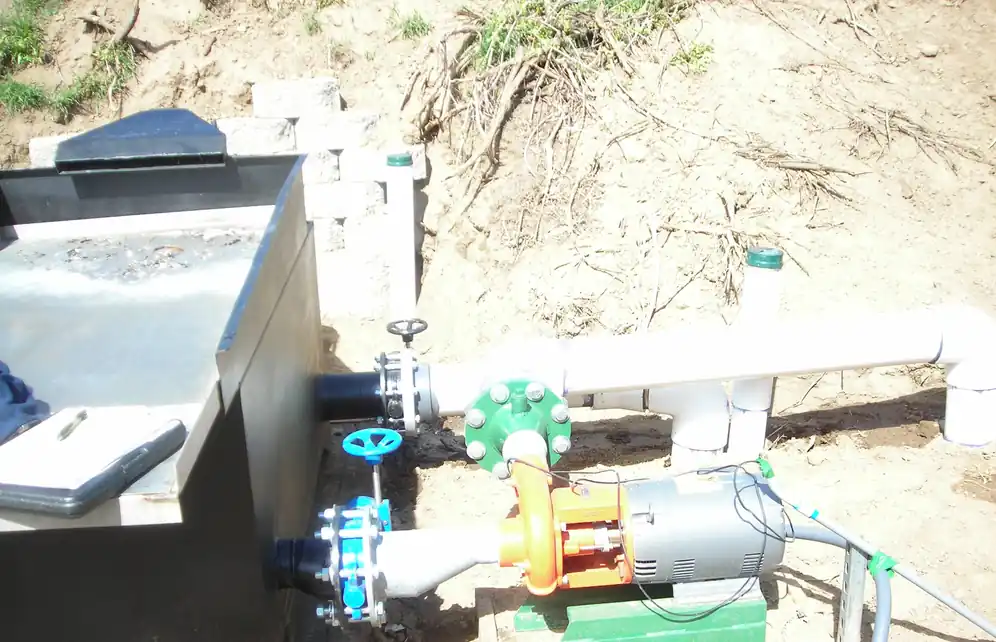
Pumping out of the canal takes a filter
Ditch water carries silt, weed seeds and plant debris, and that is what plugs sprinkler heads first. A self-cleaning suction strainer on the intake and a filter after the pump keep the heads open through the whole irrigation season. Akland installs sand filters, and the crews pull and rebuild the pump behind them.
If the pump itself is the trouble, the repair shop rebuilds jet, centrifugal, pool and turbine pumps on Fruitvale Blvd.
Summer heat in the hundreds, winter well below zero
Pipes and pumps take a beating through all of it. The common calls from Yakima are worn pump impellers, mainlines cracked by winter frost heave, and drip lines plugged with hard mineral buildup. When a head will not pop up or a valve will not open, the fix starts with finding out why, and that is the work of the sprinkler service crew: broken heads, cracked pipes, spring start-ups and fall blowouts.
Akland repairs existing sprinkler systems. It does not design new ones and it does not drill wells; a well driller does that, and then Akland installs the pump. For a farm or orchard pump, see irrigation pumps.
Two questions the shop hears every year
Pump acting up in Yakima?
Call the shop with what you are hearing and seeing, or send a note and someone will call you back.